History’s worst moments, carefully sourced

Awful Archive

Dark history, with sources you can follow.

158 articles · An independent archive

Explore the archive ↓

Choose a starting point

Latest additions

View all stories →
Updated

Expanded hydrothermal context. Corrected the companions’ ages and burn-center location from contemporary AP reporting, and removed unsupported biographical and step-by-step navigation details.

Updated

Expanded the significance of a death in custody at court and how crowd identification and forensic gaps affected proof of individual responsibility.

Updated

Added the address clue’s investigative significance and the broadsheet’s naming error. Made the newspaper OCR limitation explicit and added a historian’s transcript for the named child and execution date.

The archive

Browse the awful parts

Search titles, places and article text.

What do the source labels mean?

Primary & research sources include original records, institutions, and academic work. Reference sources include encyclopedias. Published reporting includes news and magazine articles. These labels describe the sources attached to an entry, not a guarantee that every claim is settled.

Discovery links show where a story was found. A social post alone is a lead, not independent evidence.

158 stories shown
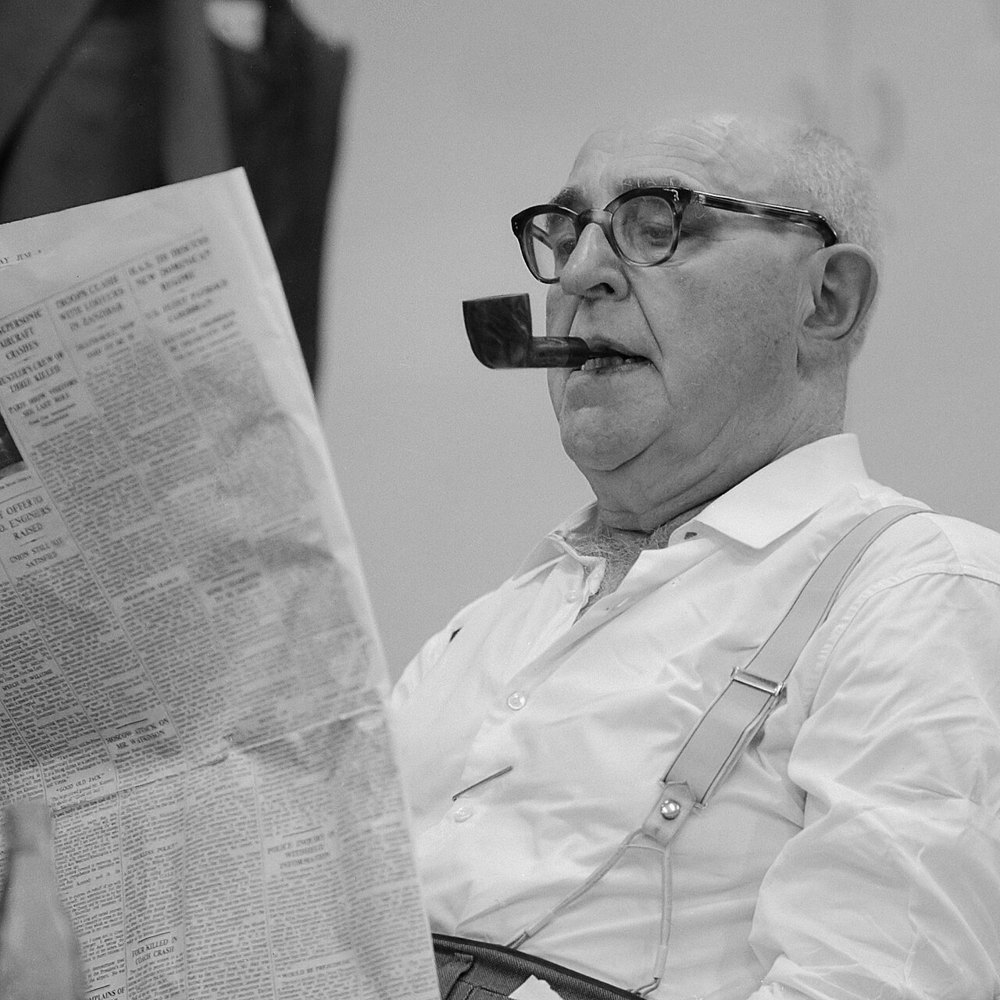
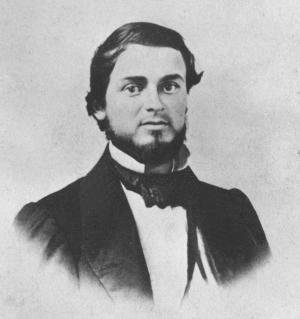
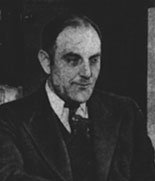
Ossip Bernstein photographed in 1961

Ossip Bernstein and the chess game said to have saved his life

A famous story says chess master Ossip Bernstein escaped execution after defeating an officer. It appears in Edward Lasker’s 1963 obituary, but the surviving account is a later recollection rather than a contemporaneous record of the arrest.

Read story Primary & research sources
Hiroo Onoda offers his sword to Philippine President Ferdinand Marcos at the March 1974 surrender ceremony.

Hiroo Onoda’s Long Holdout on Lubang Island

Japanese intelligence officer Hiroo Onoda remained armed on the Philippine island of Lubang for almost three decades after Japan’s 1945 defeat. He rejected surrender notices and left the jungle only after a former superior formally released him from duty in 1974.

Read story Primary & research sources
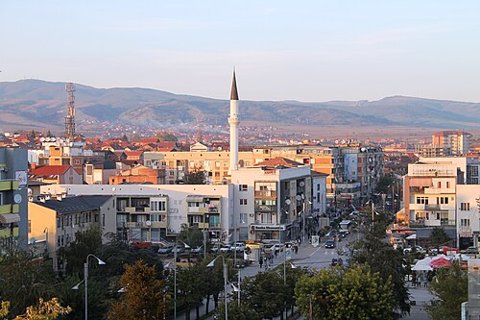
Chapel at the Trinity Monastery in Laishevo, Tatarstan, photographed in 2019; it is a contextual image of the town, not the event site.

Four Deaths in a Laishevo Potato Cellar

On August 22, 2013, four members of one family died in a cellar beneath a garage in Laishevo, Tatarstan. Investigators said gas had accumulated as potatoes stored there rotted.

Read story Primary & research sources
Three-dimensional CT rendering of the skull and jaw of an unrelated woman with cherubism.

Victoria Wright on Cherubism and Care Beyond Surgery

In 2017, British campaigner Victoria Wright described living with cherubism, a rare childhood-onset disorder affecting the jawbones. Surgery at 16 relieved pressure threatening sight in one eye, but she later chose not to pursue surgery to reduce her jaw.

Read story Primary & research sources
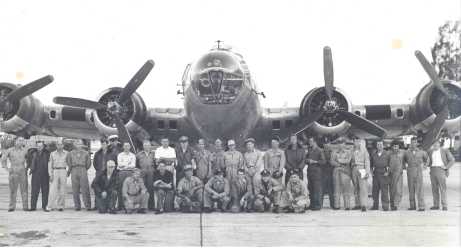
Project Cirrus crew and scientists standing in front of a B-17 used for the 1947 hurricane-seeding flight.

Project Cirrus and Hurricane King’s Sudden Turn

In October 1947, Project Cirrus dropped crushed dry ice into Hurricane King as it moved away from Florida. The storm then reversed course and struck near Savannah, Georgia.

Read story Primary & research sources
Ferris wheel in Pripyat's amusement park, photographed in 2006; the park's planned 1986 opening was interrupted by the evacuation.

The Buses That Emptied Pripyat

On 27 April 1986, more than a thousand buses helped evacuate Pripyat after the Chernobyl reactor disaster. Accounts differ on the precise fleet size, but agree that roughly 45,000 people left within hours.

Read story Primary & research sources
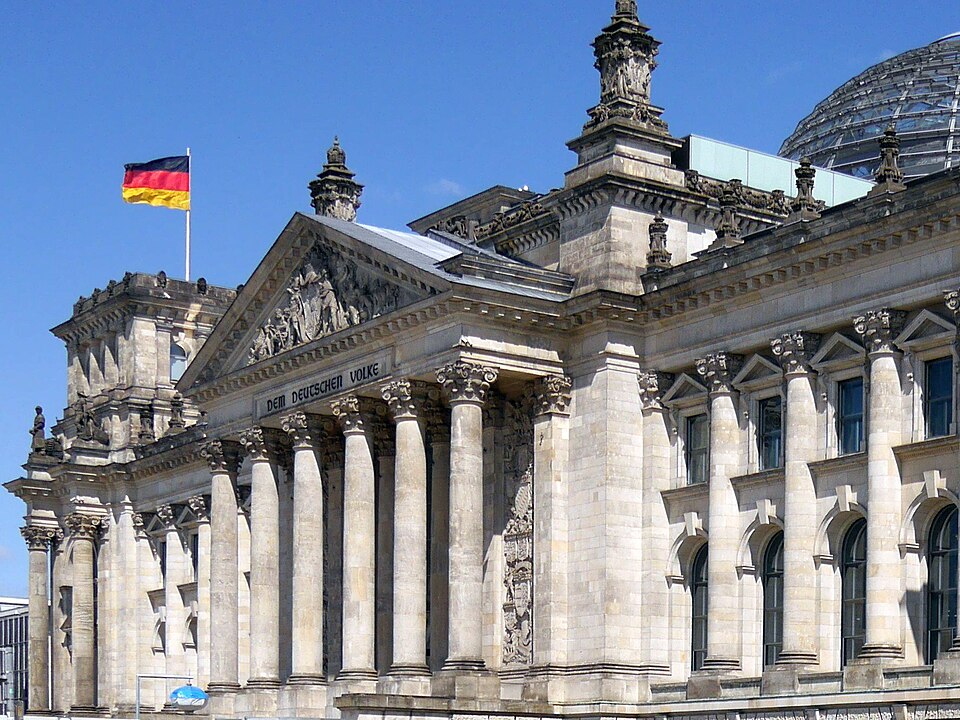
The Reichstag building in Berlin, photographed in 2017; it now houses the Bundestag and does not depict the 1957 or 1976 legislation.

When West German Marriage Law Limited a Wife’s Work

West Germany’s postwar law did not impose one uninterrupted rule requiring a husband’s permission for a wife to work. Before July 1958, a husband could end her employment if he judged that it conflicted with her marital duties.

Read story Primary & research sources
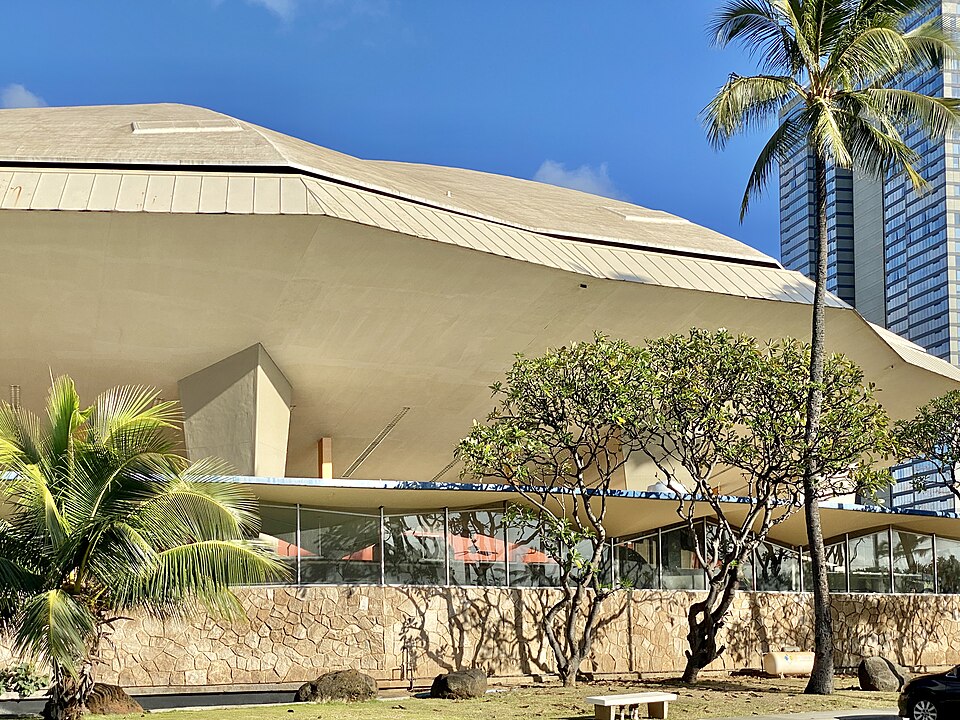
Blaisdell Arena in Kakaako, Honolulu, photographed in 2022; this is the venue, not a depiction of the 1994 event.

Tyke's Escape From a Honolulu Circus

On August 20, 1994, Tyke, an African elephant performing with Circus International at Honolulu's Neal S. Blaisdell Center, killed trainer Allen Campbell, injured a groom and escaped into Kakaako. Police later killed her after she ran through several blocks.

Read story Primary & research sources
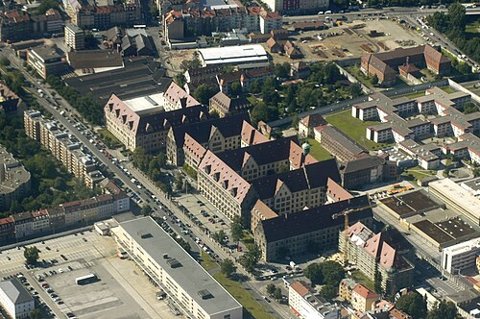
The Palace of Justice in Nuremberg

John C. Woods and the Nuremberg Executions

On October 16, 1946, the United States Army executed ten leading Nazi officials condemned by the International Military Tribunal at Nuremberg. Master Sergeant John C. Woods served as executioner.

Read story Primary & research sources
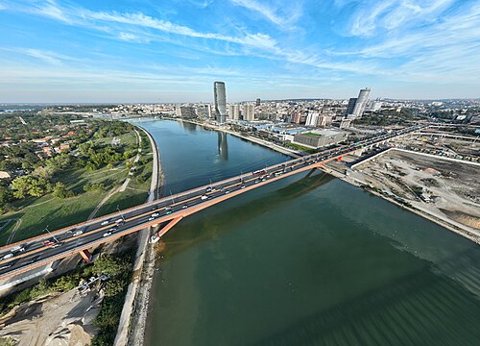
The Sava River in Belgrade

Belgrade's Long-Unbuilt Wastewater Treatment System

Belgrade built an extensive sewer network over the twentieth century, but for decades it lacked a municipal system capable of treating most of the wastewater collected by that network. Institutional project records describe sewerage and stormwater flowing directly into the Sava and Danube.

Read story Watch film Primary & research sources
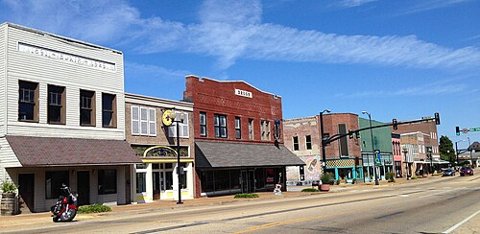
Barrington, Illinois — regional context

The Murder Behind Ari Squire's Faked Death

In February 2008, Ari Squire arranged to meet 20-year-old Justin Newman about a construction job, then killed him and staged the scene as Squire's own accidental death. Investigators said Squire fled Illinois using Newman's car and identity, apparently hoping a $5 million life-insurance policy would be paid.

Read story Watch film Primary & research sources
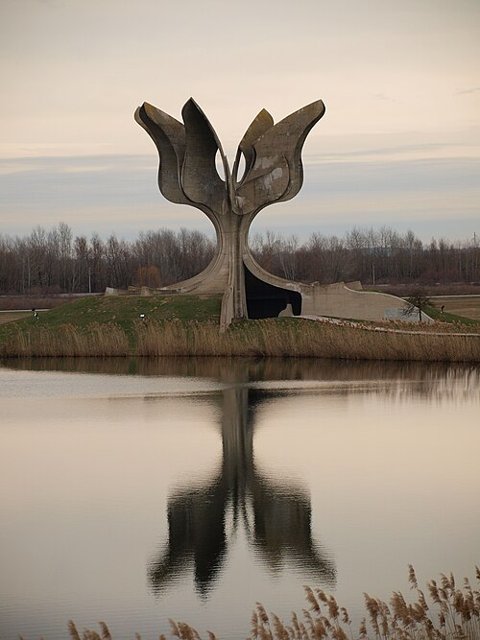
The Stone Flower memorial at Jasenovac

The Srbosjek Knife and the Contested Memory of Jasenovac

Between 1941 and 1945, the Ustaša regime of wartime Croatia killed tens of thousands of Serbs, Jews, and Roma at the Jasenovac camp complex, often with hand weapons rather than firearms. Among the documented implements was the srbosjek, or 'Serb-cutter,' a curved blade worn over the hand and adapted from a German agricultural knife.

Read story Primary & research sources
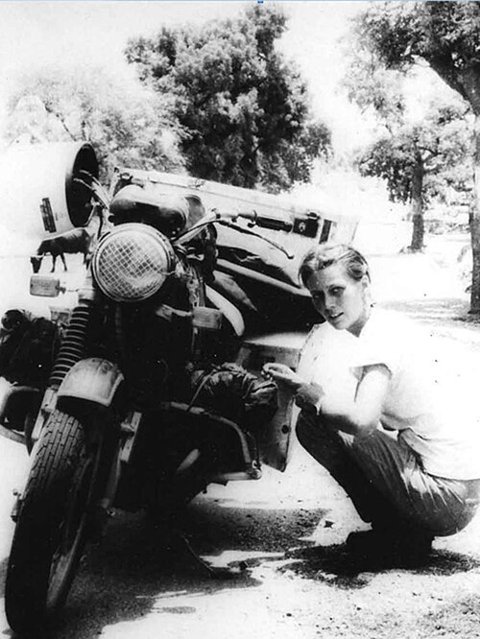
Elspeth Beard

Elspeth Beard's Solo Motorcycle Journey Around the World

In October 1982, Elspeth Beard, a 23-year-old architecture student from London, set out on a solo motorcycle journey around the world aboard a 1974 BMW R60/6. Over roughly two years she covered approximately 35,000 miles across the Americas, Australasia, and Asia before returning to England in November 1984.

Read story Primary & research sources
Castaic Lake

The Disappearance of Bryce Laspisa at Castaic Lake

In August 2013, 19-year-old college student Bryce Laspisa drove south through California toward his parents' home. Hours after telling them he had stopped to rest, his Toyota Highlander was found wrecked near Castaic Lake with his phone, wallet, and laptop inside.

Read story Watch film Primary & research sources
Lionel Messi as an adult

Lionel Messi's Childhood Growth Hormone Treatment

Before Lionel Messi joined FC Barcelona, a pediatric endocrinologist in Rosario diagnosed him with growth hormone deficiency and began replacement therapy. Messi later recalled nightly injections that he learned to administer himself.

Read story Primary & research sources
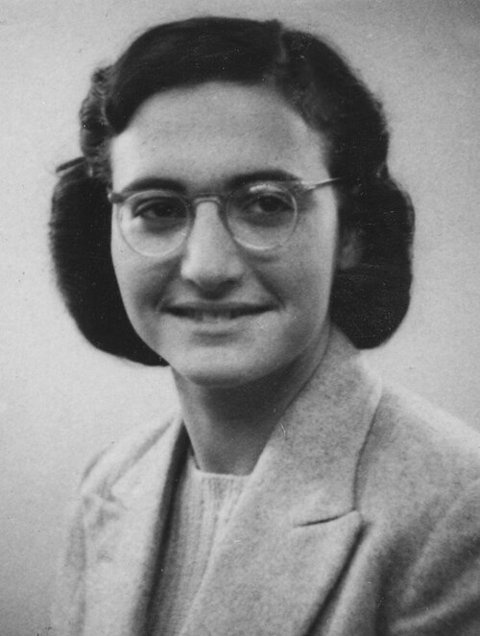
Margot Frank

Margot Frank and the Diary That Did Not Survive

Margot Frank, Anne Frank's older sister, also kept a diary while the family hid from Nazi persecution in Amsterdam. Its existence is documented by Anne in an entry dated October 14, 1942, but the manuscript has never been recovered.

Read story Watch film Primary & research sources
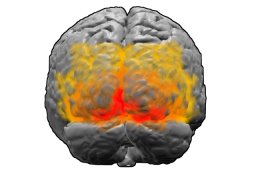
Diagram of the visual cortex

Anton syndrome and unrecognized blindness

Anton syndrome is a rare form of visual anosognosia: a person with cortical blindness denies the loss of vision and may confabulate descriptions of surroundings. It is a neurological syndrome, not ordinary denial or deception.

Read story Primary & research sources
A sample of arsenic — material illustration

Arsenic wafers and complexion marketing

Late nineteenth-century sellers marketed arsenic-containing “complexion wafers” as beauty products. Surviving objects and advertisements demonstrate the claims and ingredients, while the historical record rarely supports precise claims about how many people used a particular product or were poisoned by it.

Read story Watch film Primary & research sources
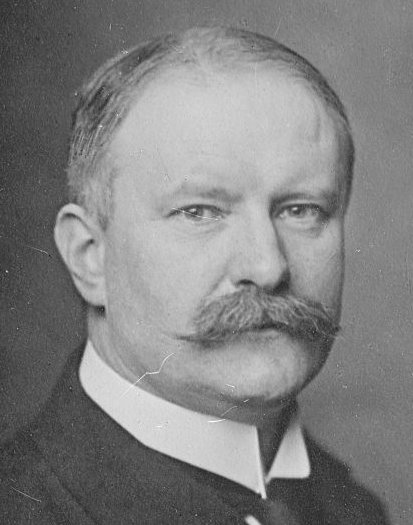
August Bier

August Bier and spinal anaesthesia

In 1898 August Bier developed spinal anaesthesia with cocaine. A failed injection on Bier and a subsequent successful procedure on his assistant August Hildebrandt became a famous early self-experiment, followed by severe headaches from lumbar puncture.

Read story Watch film Primary & research sources
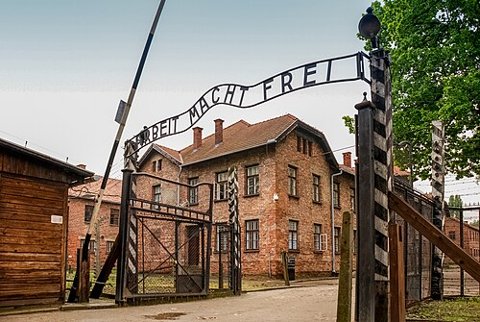
Auschwitz concentration camp

Block 24: Sexual Coercion in Auschwitz’s Prisoner Reward System

In 1943 the SS established a prisoner brothel in Block 24 at Auschwitz I. Its place in the camp’s incentive system reveals another form of exploitation; better material conditions for the women did not make imprisonment or sexual access consensual.

Read story Primary & research sources
Gasoline in a glass jar — fuel illustration

Clair Patterson and the fight against lead

Geochemist Clair Patterson’s work on the age of Earth exposed lead contamination in measurement and in the environment. His later research challenged the idea that modern lead burdens were natural and contributed to the evidence behind controls on leaded gasoline.

Read story Watch film Primary & research sources
A Hagelin-designed M-209 cipher machine — cryptographic context

Crypto AG and Operation Rubikon

For decades, the CIA and West Germany’s BND secretly controlled Crypto AG, a Swiss maker of encryption equipment used by foreign governments. Reporting and later Swiss scrutiny described manipulated products that gave the agencies access to selected customers’ communications.

Read story Watch film Primary & research sources
The Palais Bourbon, home of the French National Assembly

France’s planned-obsolescence offence

France’s Consumer Code specifically prohibits planned obsolescence. The current rule covers techniques, including software, used with the deliberate aim of reducing a product’s lifespan.

Read story Primary & research sources
Frank Serpico

Frank Serpico and police corruption

NYPD officer Frank Serpico helped expose patterns of corruption inside the department and testified before New York’s Knapp Commission. His 1971 shooting became part of the story, but the evidence does not establish the popular claim that fellow officers arranged an attempted murder.

Read story Primary & research sources
An Underwood typewriter — journalism illustration

Gary Webb and the Dark Alliance series

Gary Webb’s 1996 Dark Alliance series traced cocaine traffickers connected to Contra fundraising and Los Angeles drug markets. Later official reviews confirmed important Contra-related trafficking allegations and institutional failures while finding no evidence that the CIA deliberately created the crack epidemic.

Read story Primary & research sources
George Washington

George Washington’s last illness

George Washington developed a rapidly worsening throat illness in December 1799 and died within two days. His doctors used the period’s accepted treatments, including repeated bloodletting.

Read story Watch film Primary & research sources
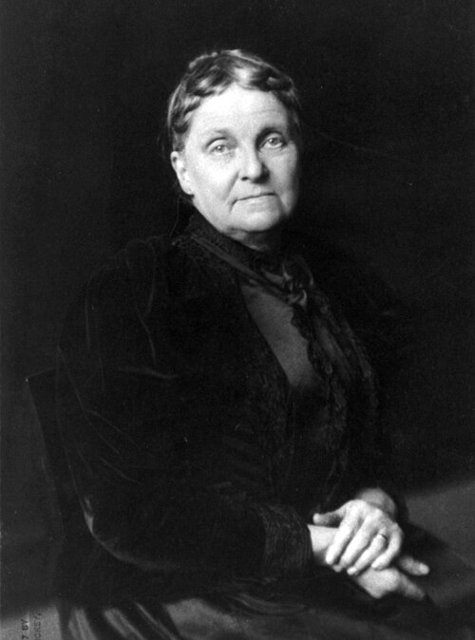
Hetty Green

Hetty Green beyond the “Witch of Wall Street”

Hetty Green was a Gilded Age financier who turned inherited family wealth into investments in government bonds, railroad stock, urban land, and lending. Her wealth and unconventional public image made her one of the period’s most famous business figures.

Read story Watch film Primary & research sources
Datura stramonium

Jamestown weed and Bacon’s Rebellion

A celebrated account says English soldiers during Bacon’s Rebellion ate ‘Jamestown weed’ and experienced days of delirium. Robert Beverley published the tale in 1705, almost three decades after the rebellion.

Read story Primary & research sources
Anthony van Dyck painting of Queen Henrietta Maria and Jeffrey Hudson

Jeffrey Hudson and the court’s ‘wonder’

Jeffrey Hudson was displayed at the court of Henrietta Maria while still a child and later became a visible participant in Caroline court culture. Sources record a horseback duel during the queen’s exile, but the opponent’s identity and many dramatic details are inconsistent in later retellings.

Read story Watch film Primary & research sources
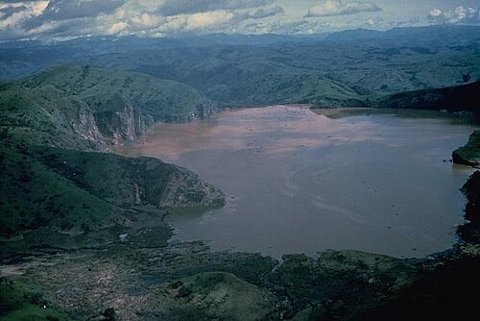
Lake Nyos

Lake Nyos and the invisible flood

On 21 August 1986, a release of carbon dioxide from Lake Nyos killed more than 1,700 people in northwestern Cameroon. The disaster revealed a hazard stored in deep water rather than an erupting volcano.

Read story Watch film Primary & research sources
Julius Wagner-Jauregg

Malariotherapy and the treatment of neurosyphilis

Before penicillin, Julius Wagner-Jauregg treated general paresis from neurosyphilis by deliberately inducing malaria fever and then treating malaria. The approach won the 1927 Nobel Prize but carried a substantial risk of death and is not a modern treatment.

Read story Watch film Primary & research sources
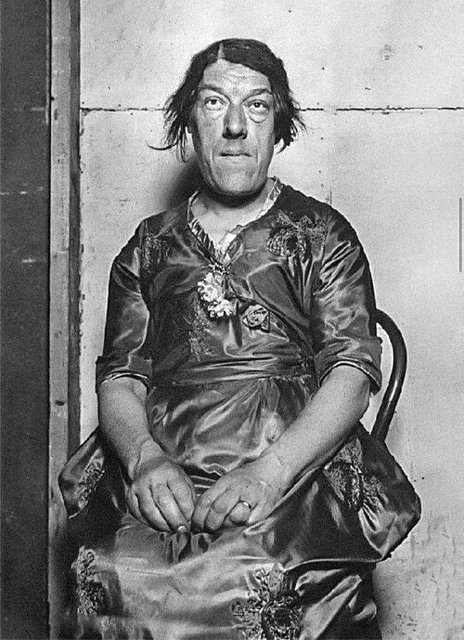
Mary Ann Bevan

Mary Ann Bevan, acromegaly, and sideshow advertising

Mary Ann Bevan was an English nurse who developed acromegaly and was later exhibited under cruel publicity in the American sideshow trade. Her story shows how an endocrine disorder was turned into commercial spectacle.

Read story Watch film Primary & research sources
Mary Mallon

Mary Mallon, Typhoid Mary

Mary Mallon was an early recognized asymptomatic carrier of typhoid fever in the United States. Investigators linked outbreaks to her work as a cook, but officials also made her a sensational public symbol and confined her for years.

Read story Watch film Primary & research sources
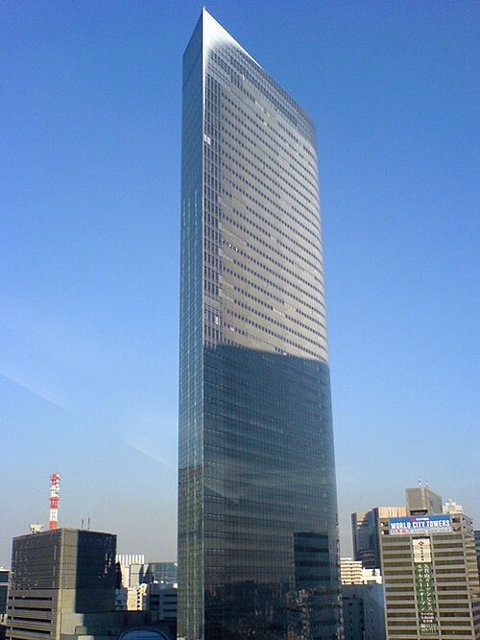
An office tower in Shinbashi, Tokyo — workplace context

Oidashibeya and pressure to resign

Oidashibeya, literally a ‘chase-out room,’ is a reported term for isolating unwanted employees or giving them little meaningful work in the hope that they resign. It is not a named legal programme.

Read story Watch film Primary & research sources
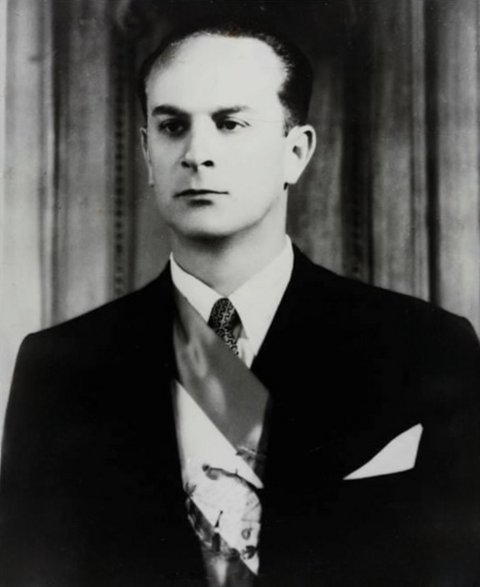
Jacobo Árbenz

Operation PBSUCCESS and Guatemala’s 1954 coup

Operation PBSUCCESS was the CIA covert action that helped remove Guatemalan president Jacobo Árbenz in June 1954. Declassified operational messages show how support for an exile force, pressure on the army and psychological warfare worked together during the government’s collapse.

Read story Watch film Primary & research sources
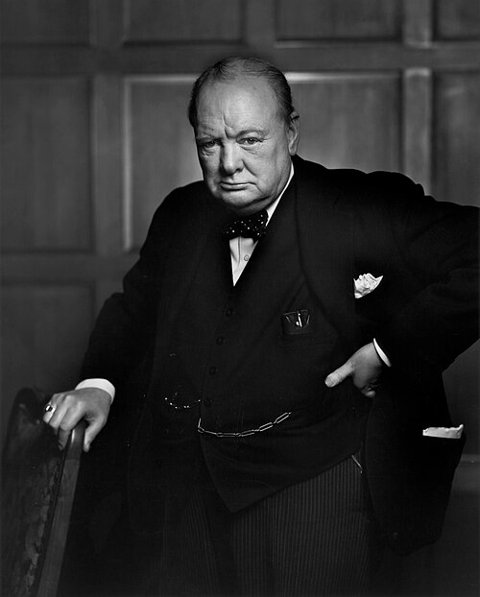
Winston Churchill

Operation Unthinkable

In May 1945, British planners examined whether a surprise war against the Soviet Union could force political change in eastern Europe. Operation Unthinkable was a staff study, not an approved invasion.

Read story Watch film Primary & research sources
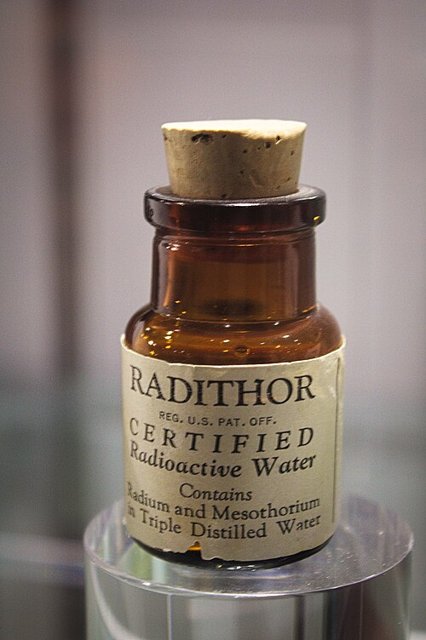
Radithor

Radium drinks and the Radithor tragedy

Early twentieth-century sellers put radium into tonics and devices before consumers understood the hazards of internal exposure. Industrialist Eben Byers became the best-known Radithor user after prolonged consumption and death in 1932, helping expose the gap between fashionable radiation claims and product oversight.

Read story Watch film Primary & research sources
Mihail Kogălniceanu — Romanian abolitionist

Roma enslavement in Wallachia and Moldavia

Roma were held in legal slavery in Wallachia and Moldavia from the principalities’ early history until the mid-nineteenth century. Emancipation was not one decree by a later united Romania: it was a sequence of laws in two separate principalities, ending in Moldavia in 1855 and Wallachia in 1856.

Read story Watch film Primary & research sources
Bread — ritual food context

Sin-eaters and the disputed history of a funeral custom

Accounts of sin-eaters describe a person accepting food and payment to take on a dead person’s sins. The story appears in antiquarian writing about the Welsh border, but later Welsh folklorists struggled to find direct evidence that the supposed custom was widely practised.

Read story Primary & research sources
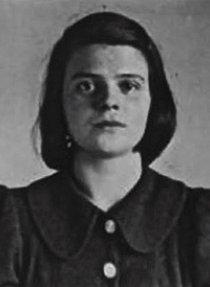
Sophie Scholl

Sophie Scholl and the White Rose

Sophie Scholl was part of the White Rose resistance circle at the University of Munich. After she and Hans Scholl distributed leaflets on 18 February 1943, the Gestapo arrested them.

Read story Watch film Primary & research sources
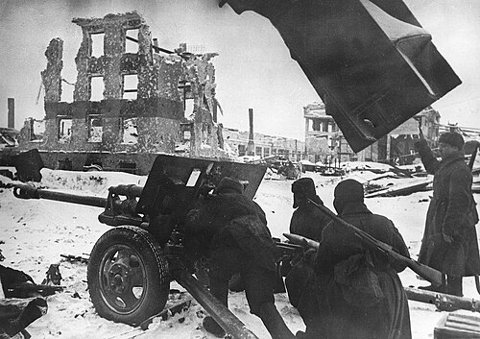
A Soviet artillery crew at Stalingrad in 1942

Stalingrad: the battle behind the survival statistic

The 1942–43 battle for Stalingrad changed from a German advance into a Soviet encirclement and victory. Its immense losses are documented; the often-repeated claim that a Soviet soldier had an average life expectancy of twenty-four hours remains unverified.

Read story Watch film Primary & research sources
Chemical structures of thalidomide enantiomers

Thalidomide and the cost of weak drug safety

Thalidomide caused severe birth defects after being used as a sedative and for nausea in pregnancy. Frances Kelsey kept its original application from reaching the U.S. market, but investigational distribution still exposed patients.

Read story Watch film Primary & research sources
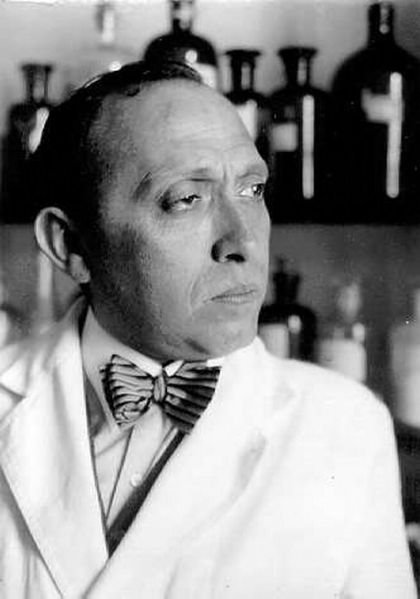
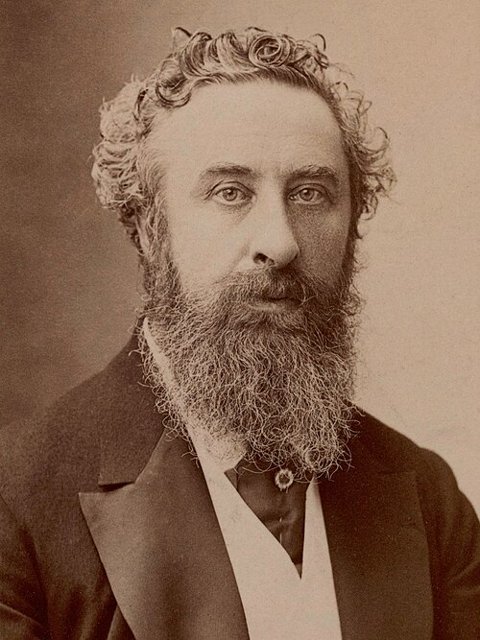
Bernhard Zondek

The Aschheim–Zondek pregnancy test

The Aschheim–Zondek reaction used animals to detect hormone activity in a urine sample. It became the first widely used modern test for the hormone now called hCG, but it detected active placental tissue rather than a living fetus itself.

Read story Watch film Primary & research sources
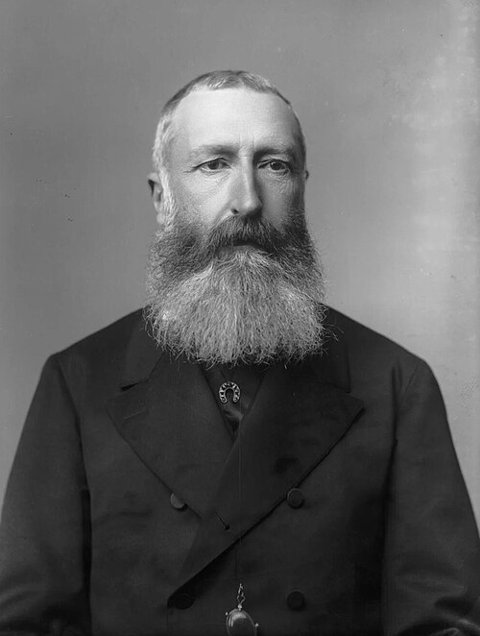
Leopold II of Belgium

The Congo Free State under Leopold II

Leopold II ruled the Congo Free State from 1885 to 1908. Rubber and ivory extraction depended on coercion, while compulsory food and labour demands disrupted communities.

Read story Watch film Primary & research sources
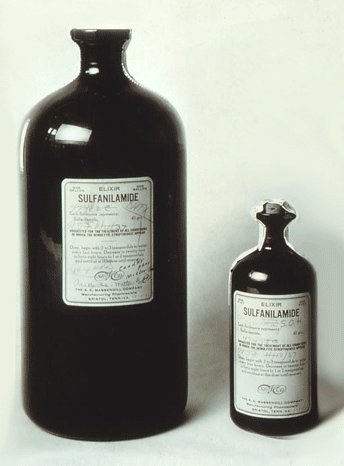
Original Elixir Sulfanilamide medicine bottles

The Elixir Sulfanilamide tragedy

In 1937, an untested liquid formulation of sulfanilamide killed more than 100 people in the United States. The antibacterial drug had been dissolved in poisonous diethylene glycol.

Read story Watch film Primary & research sources
CS Mackay-Bennett

The Mackay-Bennett and the Titanic dead

After the Titanic sank, the Halifax cable ship Mackay-Bennett was hired to recover bodies from the North Atlantic. It found 306 and brought 190 to Halifax after limited preservation supplies forced 116 burials at sea.

Read story Watch film Primary & research sources
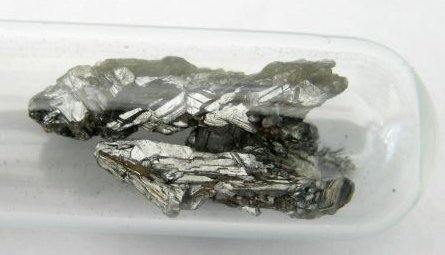
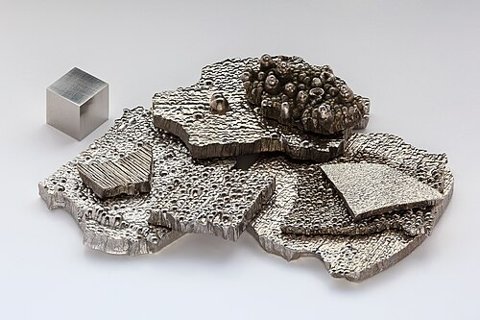
Cobalt metal — material illustration, not the radioactive source

The Mexico City cobalt-60 accident

An industrial cobalt-60 source remained in a Mexico City home for months in 1962. Four family members died before the full history of their exposure was understood.

Read story Primary & research sources
Nanjing Massacre Memorial Hall

The Nanjing Massacre: What the Surviving Images Can Show

After Japanese forces entered Nanjing in December 1937, civilians and prisoners of war suffered mass atrocities. John Magee’s film and correspondence provide documented evidence; an isolated online image still needs its own provenance.

Read story Primary & research sources
Orphan Train

The orphan trains

From 1854 to 1929, child-welfare organisations sent New York children by rail to homes in rural communities. The so-called orphan trains placed some children in lasting families and exposed others to exploitation, separation, or poor supervision.

Read story Watch film Primary & research sources
Scold's bridle

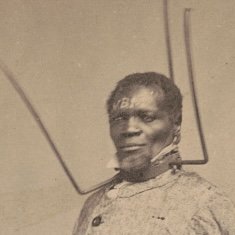
The scold’s bridle and public punishment

Surviving iron bridles show how some early modern communities punished speech through restraint and public humiliation. Museum collections document different designs, usually associated with the punishment of women accused of being a “common scold.”

Read story Watch film Primary & research sources
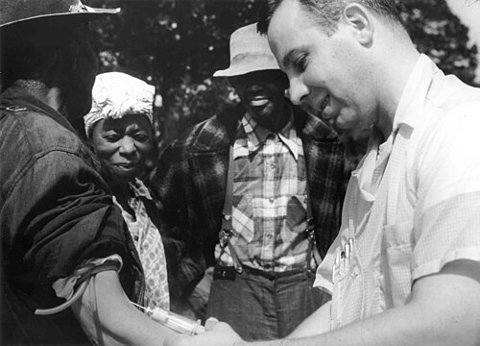
Tuskegee Syphilis Study

The Tuskegee syphilis study

For four decades, the U.S. Public Health Service observed Black men with syphilis in Macon County, Alabama, without informed consent and without offering effective treatment once penicillin was standard. Its exposure in 1972 became a defining case in U.S. research ethics.

Read story Watch film Primary & research sources
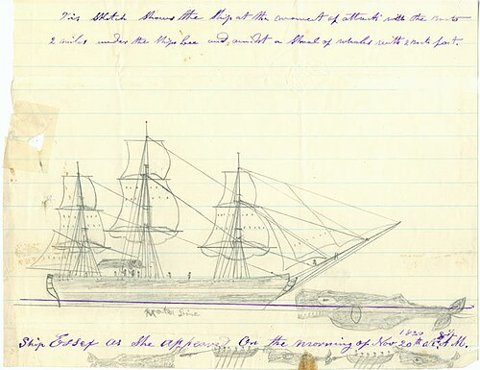
Essex (whaleship)

The whaleship Essex and a survival lottery

In 1820, the Nantucket whaleship Essex was struck and lost in the Pacific after an encounter with a sperm whale. The crew escaped in small boats and faced hunger, thirst, disease, and lethal decisions.

Read story Watch film Primary & research sources
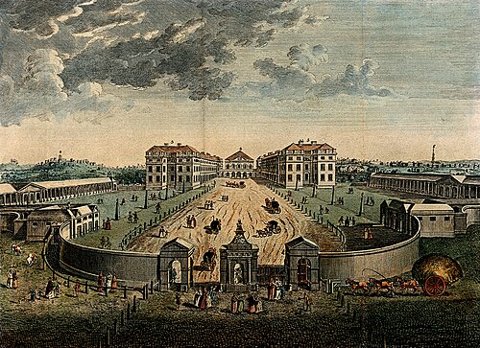
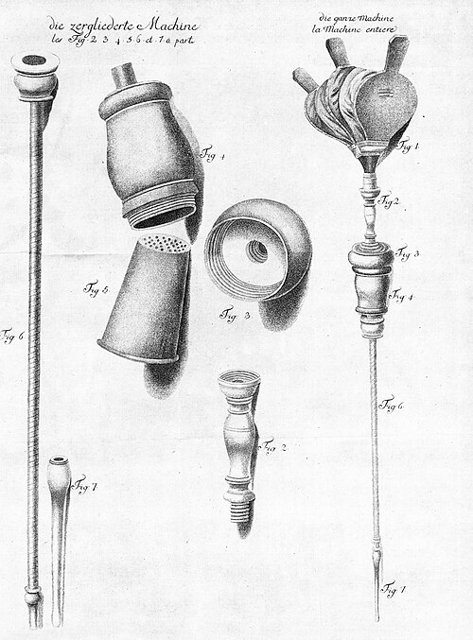
Tobacco smoke enema

Tobacco-smoke enemas and early resuscitation

In eighteenth-century Britain, tobacco smoke was sometimes delivered rectally as a resuscitation treatment, particularly after apparent drowning. Surviving Royal Humane Society equipment documents the practice; later recognition of nicotine toxicity helped end it.

Read story Watch film Primary & research sources
A United Airlines Douglas DC-6B — aircraft type illustration

United Airlines Flight 629 and Jack Graham

On 1 November 1955, a bomb destroyed United Air Lines Flight 629 shortly after departure from Denver, killing all 44 people aboard. Investigators traced it to Jack Graham, who had placed the device in his mother’s luggage.

Read story Watch film Primary & research sources
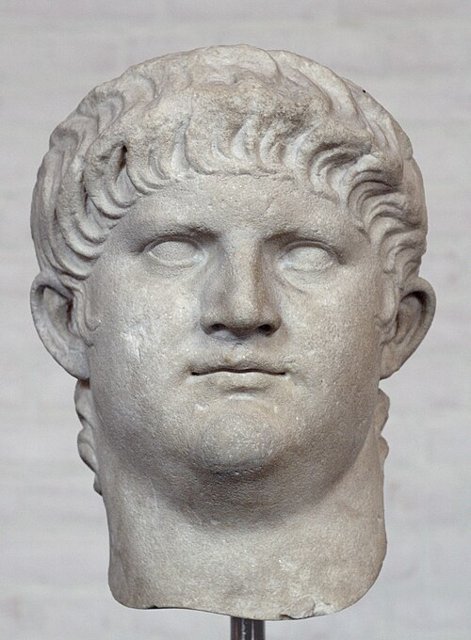
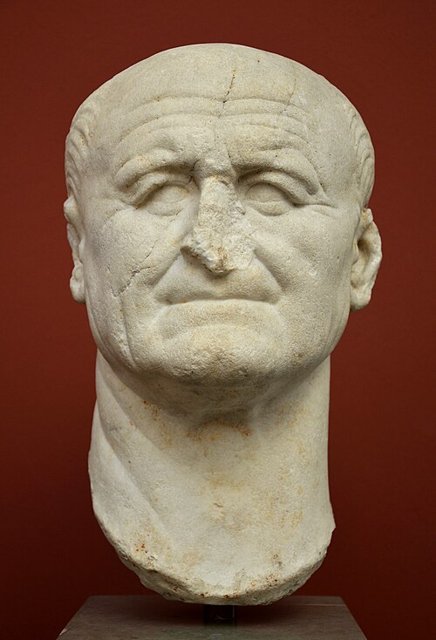
Vespasian

Vespasian’s urine tax and ‘money does not stink’

Suetonius reports that Emperor Vespasian imposed a tax connected with urine and answered his son Titus’s disgust by asking whether the money smelled. The episode gave rise to the proverb pecunia non olet.

Read story Primary & research sources
An Avro Vulcan — aircraft type associated with Violet Club

Violet Club and Britain’s hurried nuclear deterrent

Violet Club was an interim British nuclear weapon introduced in 1958 while more suitable weapons were being developed. Its short service and restrictive handling arrangements show the gap between possessing a powerful device and operating a practical bomber deterrent.

Read story Watch film Primary & research sources
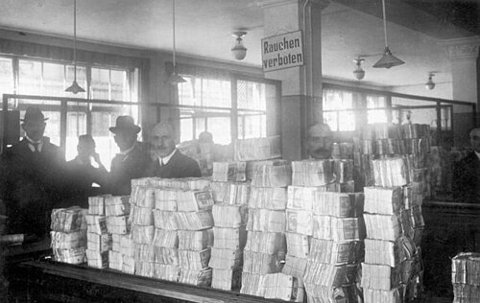
German banknotes being handled during the hyperinflation era

Weimar hyperinflation and the Rentenmark

Germany’s 1923 hyperinflation destroyed the value of the paper mark and disrupted daily trade, wages, and savings. The Rentenmark, introduced on 15 November, stabilized the currency through a defined conversion and tighter monetary policy.

Read story Watch film Primary & research sources